Description ADDIE
-
An Overview of VoiceThread
Overview VoiceThread is an interactive, multimedia discussion tool that enables dynamic conversations around multimedia content including images, videos, documents, and presentations. It allows users (instructors & students) to create, share, and comment on content using a variety of formats, including text, audio, and video. Online instructors can leverage VoiceThread to create asynchronous discussions, deliver interactive lectures, […]
-

Authentication of Students in Online Courses
Overview The purpose of this article is to guide the University community as faculty seek methods of verifying student identity in distance learning and online courses. These guidelines were designed to meet NECHE accreditation standard 4.48 and federal requirements under Sec. 602.17(g)of the Higher Education Act of 1965. Additionally, these guidelines are designed to meet […]
-

Best Practices and Expectations for Online Teaching at UConn
Overview Teaching in an online environment is different from teaching in a face-to-face classroom. This post covers some best practices and expectations for online teaching at UConn.
-

Collaborative (Group) Learning Online
Overview Collaborative learning, also known as group learning, is an opportunity for students to develop higher-order cognitive skills, promote connections and community, and engage with different perspectives. To facilitate student collaboration online, it requires designing the activity as well as selecting the best technology to connect students.
-

Communication Templates for Online Courses
Overview Communication with students is a key part of Managing Your Online Course; this post has email and announcement templates and examples to aid with that communication.
-

Competencies for Online and Hybrid/Blended Instruction
Overview What skills does an instructor need to succeed with an online or hybrid course? The UConn Competencies for Online and Hybrid/Blended Instruction survey includes 27 competencies to inform and facilitate self-assessment. The second edition takes into account developments in higher education since the COVID pandemic.
-

Effective Communication in Online Courses
Overview Asynchronous communication in online courses takes place via a variety of tools, such as announcements, rubrics, email, discussions, audio feedback, video feedback, etc. The learning benefits of regular communication with students in an online course are often overlooked by faculty. Effective and regular messaging is essential for an inclusive, motivated and engaged learning community. […]
-

Facilitating Online Discussions
Overview Online discussions are used to build dynamic learning communities, to synthesize key concepts, and to promote critical thinking skills. This article highlights tips for successfully facilitating online discussions.
-
Faculty Resources for Teaching Online at UConn
Overview This post is a resource for faculty teaching online graduate and certificate programs as well as the various staff and administrators who support these programs. It is intended to provide information and guidance around roles and procedures that will help faculty be most effective in preparing to design, develop, and teach online.
-
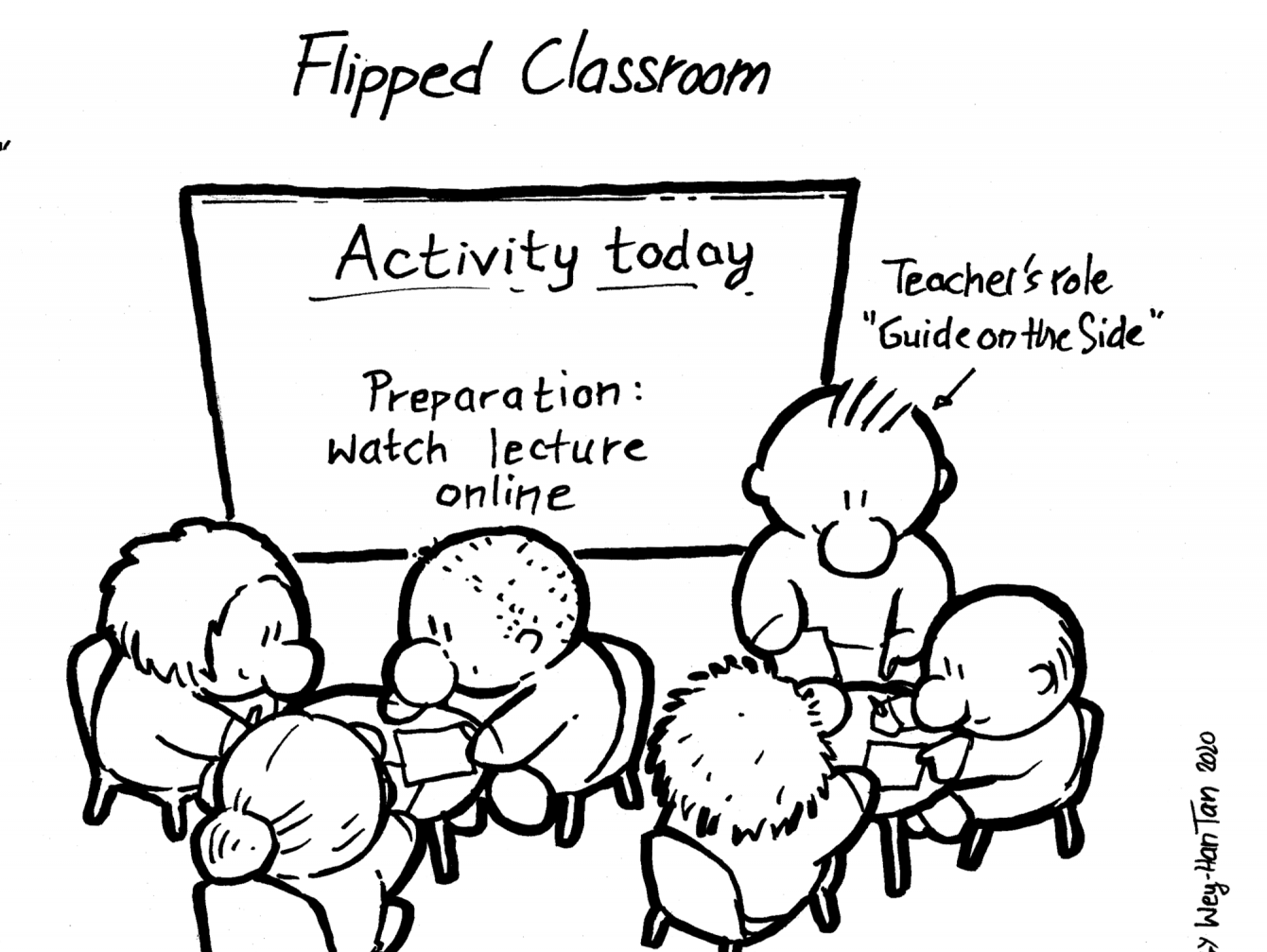
Flipped Classroom Methods
Overview The purpose of this article is to share flipped classroom methods to leverage your existing course materials and to integrate these materials, along with any new materials, into an effective teaching and learning strategy.
-

Guest Access to HuskyCT Courses through NetID Account Sponsorship
Overview Individuals without an official UConn NetID may be granted HuskyCT guest access through NetID account sponsorship.
-

How Rubrics Help Faculty and Students
Overview This article explains rubrics, types of rubrics, outlines how rubrics may benefit both faculty and students, and provides a few HuskyCT example rubrics.
-

Inclusive Online Course Design & Facilitation
Overview This article provides practical tips and resources for incorporating more inclusive design strategies into online courses.
-

Managing Your Online Course
Overview The Course Facilitation Plan (CFP) outlines the key steps to take before, during, and after your course implementation, presented in the recurring course life-cycle, as well as recognizing the four roles of an online instructor. Download a copy of the file to create your own customized version.
-

Meeting Regular and Substantive Interaction (RSI) Requirements
Overview This article provides examples for meeting the federal requirement for online or distance learning courses to “support regular and substantive interaction (RSI) between the students and the instructor, synchronously or asynchronously” (Downs, 2021).
-
Online Proctoring with ProctorU
Overview ProctorU is a service used to authenticate a user’s identity and provide live proctoring of online assessments. Test-takers use ProctorU’s Guardian Browser, which enhances exam security by preventing the user from accessing unauthorized resources and functions on their computer. ProctorU uses a multi-step process to establish a user’s identity: a live proctor sees the […]
-

Proctoring Options for Online Exams
Overview Maintaining academic integrity in all UConn courses is important. Key concerns include: To help faculty administer online exams securely and effectively, UConn provides several proctoring solutions varying in level of monitoring, automation, reporting, integration, and recommended use case.
-

Self-Guided Course Design and Development
Overview This post guides UConn faculty in designing, building, and teaching online and hybrid courses. Please see UConn Registrar’s Course Modalities for a complete explanation of each instructional approach. The phases outlined are intended for faculty with a strong background in teaching and pedagogy who are already comfortable using HuskyCT. To learn more about the skills and […]
-

Tips for Conducting Online / Remote Synchronous Sessions
Overview Conducting remote live, remote, synchronous class sessions using video conference software — such as WebEx, Teams, or Collaborate Ultra — can be a daunting task (Boland & Major, 2021). Below are some tips and strategies for designing and facilitating online synchronous sessions, specifically in Online Synchronous (OS), Online Blended (OB), and In-Person Remote (PR) […]
-

Using a Token Economy to Promote Equity & Learning
Overview A token economy or late bank system allows instructors to provide deadline flexibility to students, eliminating the need for instructors to adjudicate excuses. This type of structure flexibility enhances student learning, reduces stress, and promotes equity.
-

Using Student Preview as You Teach: What Do My Students See?
Overview The Student Preview feature in HuskyCT (Blackboard) allows instructors to experience their course exactly as a student would.